- Joined
- Aug 6, 2016
- Messages
- 1,723

Black And White Photography - Ian Barber
My personal Black & White photographic journey
 ianbarberphotography.co.uk
 ianbarberphotography.co.uk


There is a need for increased exposure and a cut in development, then in printing a higher grade of paper and controlling the highlights by flashing. Split Grade printing would be another option.
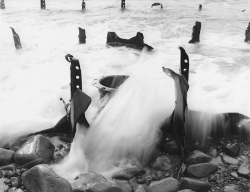
Hi Ian, I'm testing out Foma 200 with some long exposures and used a general scale tonight for reciprocity compensation. I don't think I've been nearly generous enough. Do you have any guides to hand for the 200? I'm also shooting coastal rocks and the stop difference between shadows and highlights (water) is no more than 2 stops, so ideally I'd like to stretch that out perhaps with extending dev. time? Any recommendations gratefully received. I'm erring towards Foma at this stage as I like the tones and don't require the sharpness of T-max 100.David, I agree with you. In practice the Zone System is about matching negatives to one paper grade (where possible) rather than dogmatic densitometry.
This is how the Zone System has been taught in the UK for many years going back to the 1970's, as a system of practical tests first to determine effective film speed and then development times for normal lighting conditions - termed N. Finally by extrapolation and practice EIs and development times for extremes of lighting.
There's no magic it's just a method of measuring and determining the old adage "Expose for the Shadows, Develop for the Highlights".
I suspect the issues here where there's clearly under-exposure of the shadows are partially due to Foma films reciprocity, I'd guess the shadow areas are a couple of stops less exposed than expected, and extra exposure and cutting development might help. Perhaps not the most suitable film for the occasion.
Ian
 The way I've tested in the past is make some bracketed exposures, take the camera into the darkroom cut that section of film off and process, based on the results do the same adjusying development, until nailing the required EI, Dev time and Reciprocity adjustments.