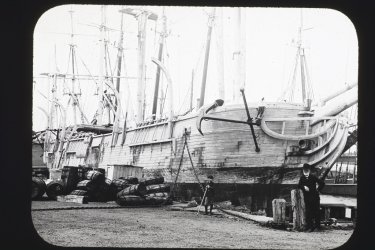
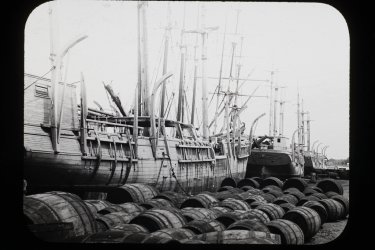
Given that Harman makes Acros II for Fuji it seems highly unlikely there's any whale in it.
It was only Acros that contained Whale Gelatin, there could be issues when it was processed in Rodinal, where if it wasn't processed carefully the emulsion could frill at the edges and sometimes lift of the base. This was due to the free Hydroxide present in Rodinal significantly softening the emulsion.
Ilford & Fuji used to source their Gelatin from PB Gelatins in Treforest, Pontypridd, the company merged with Leiner Davis a NZ based company, to become PB Leiner, themselves now owned by a Belgian company the Tessenderlo Group. The Treforest factory close about 2 years ago, the New Zealand and Australian factories had also closed.
Photographic gelatins, like Nesons 1 & 2, were graded by their hardness, and were active Gelatibs, that means naturally occurring Sulphur spots, you need these to bind with the Silver Halides in the emulsion.
During the mid to late 1960s Eastman Kodak were having issues with some of their emulsions, the ones made in Canada and the UK were fine. It was due to US Bovine Gelatin contamination with traces of radioactive particles from Atmospheric nuclear tests. EK began de-activating their Gelatin, purifying it to a very high degree, This didn't just remove the Sulphur sites, by also Allyl Thiourea, and some organics that could be detrimental.
EK then controlled the re-introduction of the Sulphur sites using Sodium Thiosuphate.
When I began serious photography in 1968 Kodak professional developers listed different development times & ASA for Tri-X depending on where it was made, US, Canada or UK. This was because of variations in the Gelatin it was far less of an issue with slower film.
Once Kodak and other manufacturers switched to de-activated Gelatin films & papers became far more consistent, batch to batch. Fuji and Kodak films made in different factories were to all intents the same.
Ian


 .